What does “Parian” mean in Belleek porcelain collecting?
Updated: Aug 28

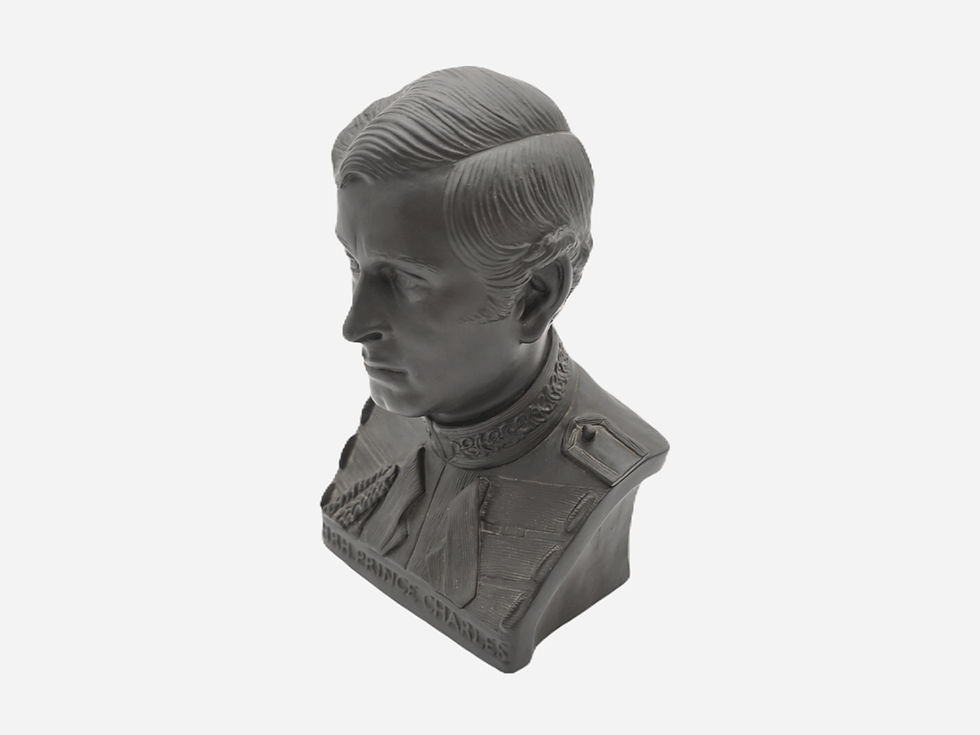
Parian is a fine porcelain body developed in Britain during the 1840s and named after Parian marble from the Greek island of Paros. It became popular for its pale, marble-like appearance and was widely used for figures, busts and ornamental ceramics. Belleek became closely associated with its own Fine Parian China after the pottery was founded in County Fermanagh in 1857. Classic Belleek pieces often have a thin, light body with a soft ivory colour and gentle surface sheen and thinner sections may appear translucent when held towards a strong light.
Parian suited Belleek’s detailed designs particularly well. Flowers, shells, leaves, figures and woven basket forms could be modelled with crisp details and very fine edges. Selected pieces received hand-painted decoration or Belleek’s pearly, iridescent finish. For collectors, the term Parian describes more than the colour of a piece, weight, translucency, modelling and surface finish can all help when examining Belleek Fine Parian ware. Parian should not be treated exactly like ordinary modern tableware. Thin rims, flower petals, basket strands and applied decoration can be fragile. Older Belleek Parian is often collected primarily as ornamental ware, making careful handling and storage particularly useful for preserving detailed pieces.