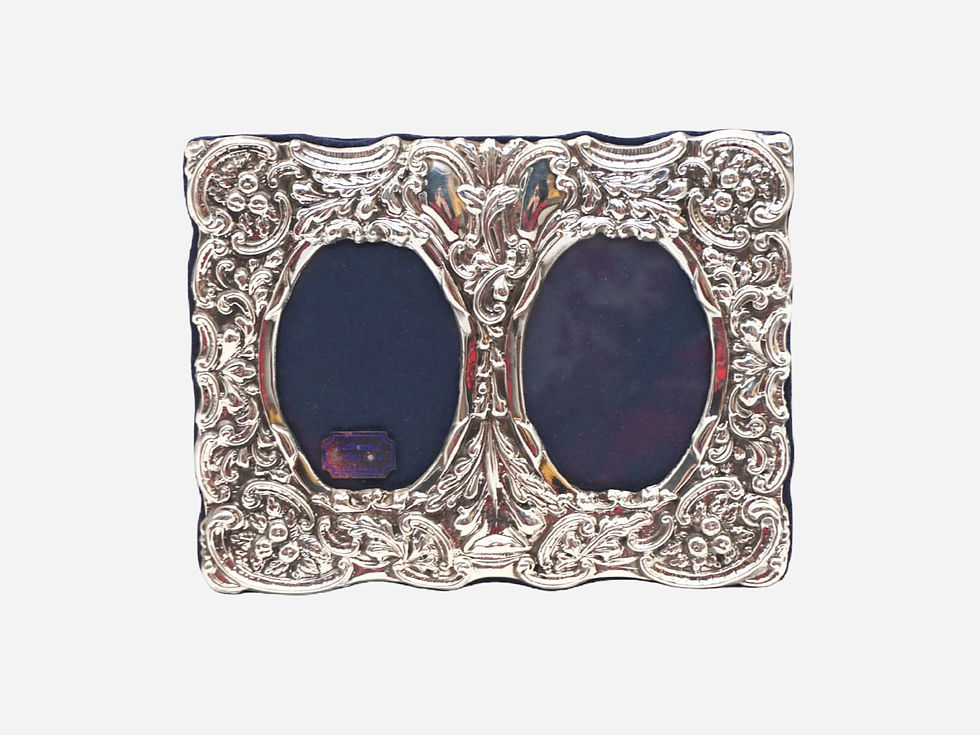
How can you tell the difference between sterling silver and plated items?

Sterling silver and plated items may look similar at first glance, though there are clear differences. Sterling silver contains 92.5% pure silver throughout the entire piece, which gives it weight and durability. Plated items, often marked EPNS, have a thin layer of silver applied over a base metal such as nickel or copper. Over time, plated pieces may show wear, revealing the underlying metal. Sterling items carry official hallmarks, including the lion passant and a city mark such as the Sheffield crown or rose. Plated items usually lack these full assay marks. Weight can also provide a clue, as sterling silver feels heavier for its size. Collectors often rely on hallmarks as the most reliable indicator. The value difference is considerable, with sterling items priced by metal content and craftsmanship, while plated goods tend to have lower resale value unless linked to a notable maker.