What makes Donegal Parian China different from glazed ceramics?

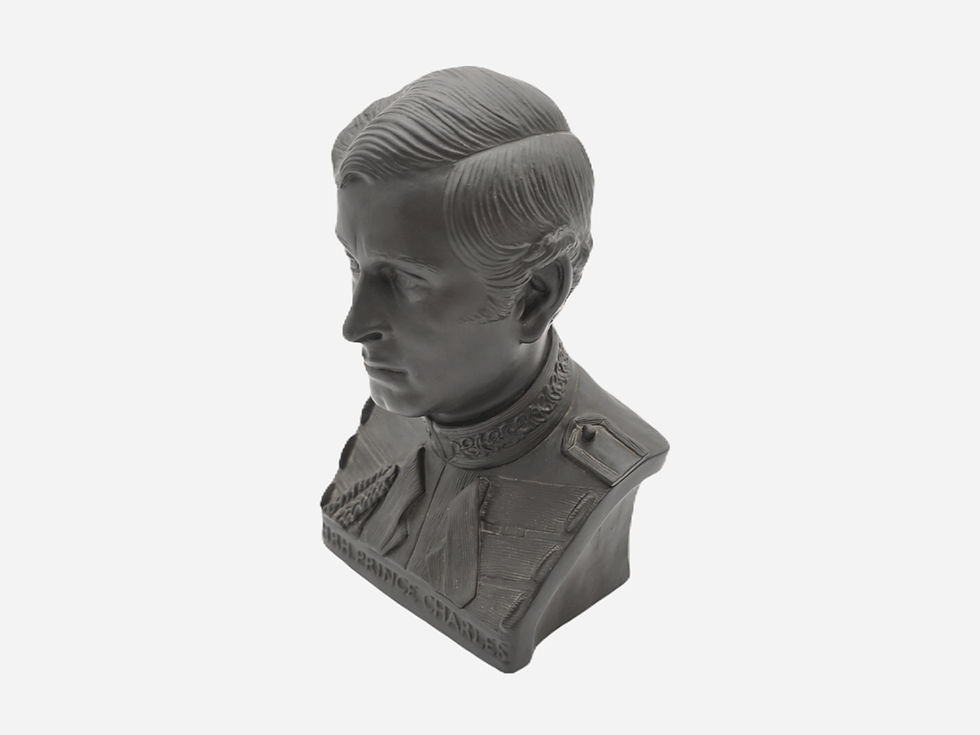
Donegal Parian China differs from glazed ceramics through its finish, texture, and visual effect. Traditional ceramics are coated with a glass-like glaze, which gives them a shiny surface and protects against staining. Parian porcelain, by contrast, is left unglazed after firing. This creates a soft, matte appearance that resembles carved marble. The porcelain is fired at temperatures above 1,200°C, which produces a dense, durable body with a slightly translucent quality. Light can pass through the surface to a small degree, giving figures a lifelike softness. This quality makes fine details stand out, especially in figurines where facial features and clothing folds are carefully modelled. During the 1970s, this style became widely associated with decorative Irish porcelain. Donegal Parian China used the technique to produce detailed cultural and religious figures. The absence of glaze requires more careful handling, as the surface can absorb marks. This feature adds to the sense of craftsmanship and distinguishes it clearly from standard ceramic ware.