Why is Parian porcelain associated with marble?

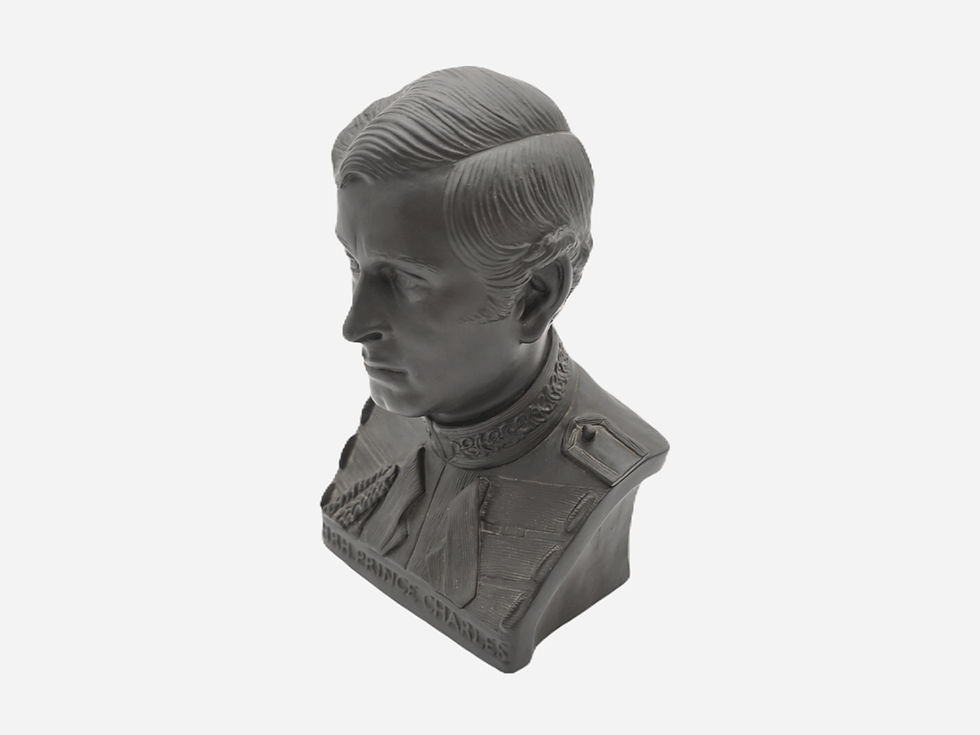
Parian porcelain is closely linked with marble due to its appearance and historical purpose. The material was first developed in the early 19th century to replicate the look of carved marble sculptures at a lower cost. Its name comes from Paros, a Greek island known for producing high-quality white marble used in classical art. When fired, Parian porcelain takes on a matte, slightly translucent finish that resembles stone rather than traditional pottery. This quality allows it to capture fine sculptural details, such as facial expressions and fabric textures. Donegal Parian China adopted this material to create figurines that echo the style of marble statues. The resemblance is strong enough that, at a glance, some pieces appear to be carved rather than moulded. This connection to classical art traditions adds cultural value and helps explain why Parian porcelain has remained popular among collectors for many decades.