Why do kava bowls have legs?
- Jun 4
- 1 min read
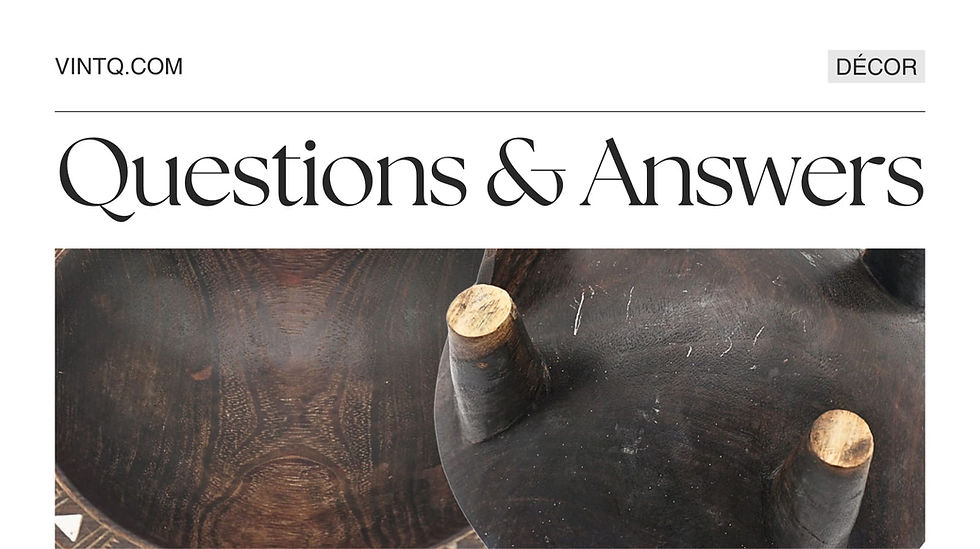
Kava bowls often have legs for cultural and practical reasons. The raised base keeps the bowl stable during ceremonies where dozens of people sit around the drink. In Fiji, many tanoa bowls carry four short legs and some rare examples use eight or even twelve. Carvers shaped the legs from one solid block of wood rather than attaching separate parts, that method gave the bowl extra strength during transport between villages. The legs kept the bowl above dirt floors, woven mats, and damp ground. During long ceremonies, servers mixed water and ground kava root inside the bowl for several hours and a raised base reduced spills and made serving easier. Museum records from Suva show ceremonial bowls weighing more than 15 kilograms when full. Decorative legs could mark status or rank within a community and some Tongan bowls used turtle-shell decoration near the feet.